

For generations, people have valued gemstones for their spiritual and energizing qualities in addition to their beauty. However, the risk of purchasing fakes increases along with the demand for crystals. You’re not the only person who has ever purchased a gemstone and questioned, “Is this even real?”
Despite their beautiful appearance, fake gemstones—which are frequently created from glass, resin, or dyed minerals—do not have the authenticity and vibrational energy that genuine stones do. The good news? Simple authenticity checks can be performed at home without the need for expensive equipment or a degree in gemology.
This article will teach you simple, trustworthy techniques to determine whether your gemstone is authentic. Let’s give you the tools to trust the stones you work with and shop more wisely.
Why It’s Important to Spot Fake Gemstones
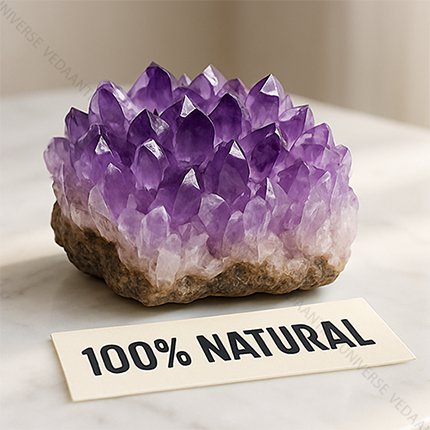
Losing a connection is more important than simply losing money when you purchase something that is fake. The energy of crystals is important whether you wear them for manifestation, meditation, or healing. Simply put, artificial or synthetic stones don’t have the same natural frequencies. Plus, some imitations may be processed or tinted with harmful ingredients.Understanding how to verify the genuineness of a gemstone ensures that
- You receive the energetic benefits for which you paid.
- You stay away from dishonest vendors and unethical sources.
- You can promote ethical crystal trading and educate others.
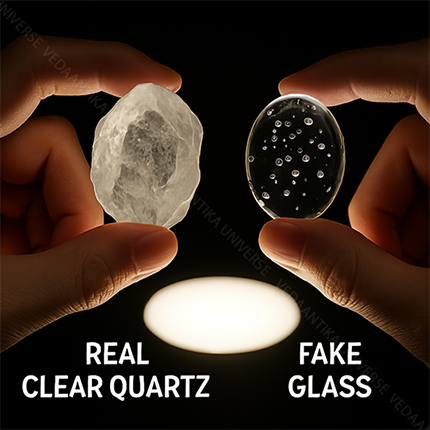
Some crystals are more likely to be imitated due to their high demand and appearance. Be cautious with these: Commonly Faked Gemstones
Quartz (Clear, Rose, Amethyst)
Quartz varieties are cheap to fake with glass. Watch out for bubbles (a sign of glass) and overly bright colors in Rose Quartz and Amethyst.
Lapis Lazuli
Real Lapis contains golden pyrite flecks. Fakes are often dyed howlite or plain blue resin without texture.
Turquoise
One of the most commonly faked stones. Fake turquoise is usually dyed howlite or plastic. Real turquoise has a natural matrix (veiny texture).
Jade
True Jade (especially jadeite) is rare and expensive. Most “jade” sold cheaply is just dyed quartz or serpentine.
Simple Tests You Can Do at Home
1. Visual Inspection
Look for inconsistencies. Real stones usually have natural imperfections—small cracks, inclusions, or unique patterns. Fakes are often “too perfect.”
2. Scratch Test
Gently scratch your crystal against a material of known hardness. For example, Quartz is harder than glass. If your “quartz” gets scratched by glass, it’s likely fake.This easy scratch test helps confirm authenticity and makes sure you aren’t being misled by common market copies of glass or plastic.
Caution: Use this test carefully to avoid damaging your crystal.
3. Temperature Test
Real gemstones feel cold to the touch and take longer to warm up. Fake stones like plastic or resin feel warm immediately.
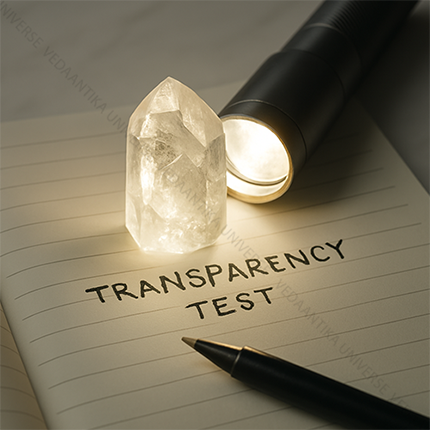
4. Transparency Check
Hold the stone up to light. Clear Quartz should let light through, but with slight cloudiness or inclusions. Glass fakes are usually flawless.
5. Bubble Test
Use a magnifying glass. If you see bubbles inside your crystal, it’s probably glass.
6. Water Test (for porous or dyed stones)
Some fake stones, especially dyed quartz or howlite, may bleed color when soaked in water. Place the stone in a bowl of lukewarm water for a few hours and observe any changes in color or residue. If the water becomes tinted, the stone is likely dyed.
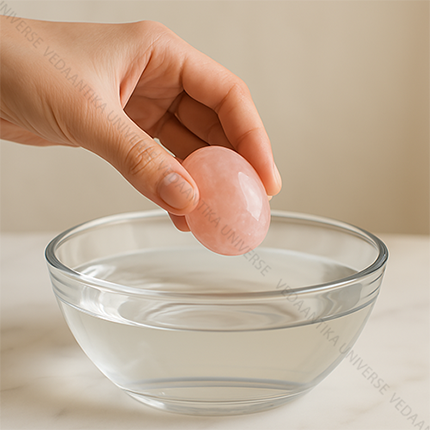
Important: This test is not recommended for water-sensitive stones like Selenite or Pyrite, which can be damaged. Always research the stone before testing.
7. Magnet Test (for metallic stones)
Use a basic fridge magnet to test stones like Hematite or Pyrite. Real Hematite may show weak magnetic attraction, while fakes made with magnetic metals will pull strongly. This helps weed out imitations mixed with magnetic filler.
These extra steps can boost your confidence and minimize guesswork when identifying real stones at home.
Differences Between Dyed, Treated, and Synthetic Stones
- Dyed stones: Color added to enhance appearance. Often fades with water or time. Common in Agate, Howlite, and Quartz.
- Treated stones: Heat or chemical-enhanced (e.g., Citrine made by heating Amethyst).
- Synthetic stones: Lab-created but chemically identical. Not fake, but not natural either.
Tools You Can Use at Home
Even without professional gear, these tools help:
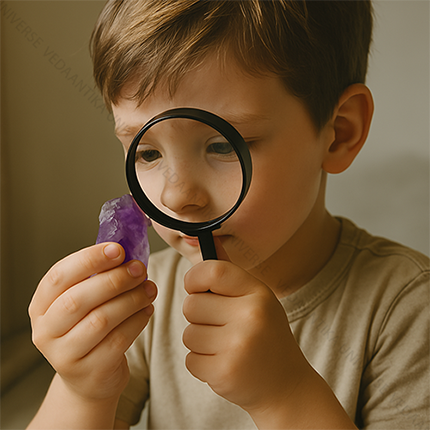
Loupe or Magnifying Glass
Zoom in on textures and inclusions. Natural stones have inconsistent patterns. Fakes show uniform color or air bubbles.
UV Light
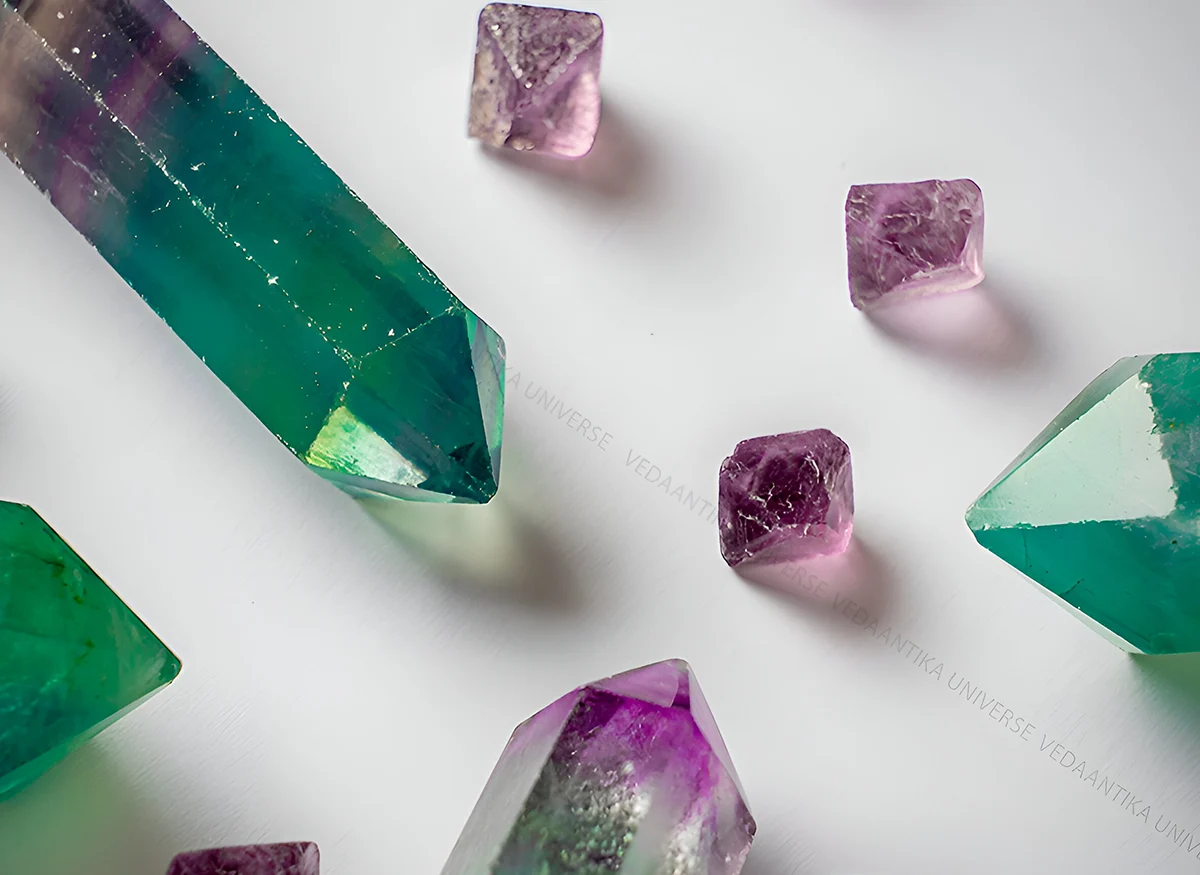
Some stones fluoresce under UV. For example, Fluorite glows purple-blue. Check if your stone matches known UV reactions.
Digital Scale
Fake stones (especially resin) weigh less than real crystals. Compare the weight with expected norms.
Tips When Buying Gemstones Online or Offline
- Buy from reputable sellers who offer transparency on sourcing.
- Look for certifications for precious stones.
- Avoid deals that seem too good to be true—they usually are.
- Ask questions: Where is the stone from? Is it natural, treated, or synthetic?
When to See a Professional Gemologist
If you’re unsure or investing in a high-value gem, consult a certified gemologist. They use refractometers, microscopes, and other tools to confirm authenticity beyond doubt.
Final Thoughts and Ethical Shopping
Choosing real gemstones is about more than money—it’s about energy, intention, and connection. Support ethical mining, local artisans, and sellers who are honest about what they offer. When you’re working with real crystal energy, your spiritual work becomes deeper, more aligned, and authentic.
Conclusion
Working with tools that are energetically aligned with your goals is more important than simply getting your money’s worth when learning to distinguish between real and fake gemstones. Depending on the stone, genuine crystals can connect you to manifestation, healing, love, or grounding energy by carrying the Earth’s ancient vibrations. You lose out on the natural connection and change over time that real stones provide when you unknowingly utilize a fake.
Your spiritual practice will be more impactful and genuine if you trust the objects you hold, wear, or use for meditation. Remember this basic concept as you expand your collection: authenticity is not the same as beauty. Spend time asking questions, learning, and testing. If a seller is unable to respond to your inquiries or if a price seems too good to be true, it most likely is.
Are you prepared to confidently add to your collection of crystals?
Browse our, authenticated gemstones that help you achieve your objectives, whether they be love, abundance, clarity, or anchoring. Every piece has a function and brings calmness.
FAQs
Q1: Are all fake stones completely useless?
Not necessarily. Some fakes (like glass) can still be pretty and used decoratively, but they won’t carry natural crystal energy.
Q2: What’s the biggest giveaway of a fake crystal?
Air bubbles, overly vivid colors, and a warm feel are major red flags.
Q3: Can fake stones be harmful?
Yes. Some dyed or treated fakes may contain toxic chemicals like lead or cadmium.
Q4: Is it okay to use synthetic gemstones?
Yes, especially in jewelry. They are lab-made but often have the same structure. Just don’t confuse them with natural stones.
Q5: What if I love a stone but it’s fake?
If it brings you joy, keep it! Just be clear about what it is and don’t rely on it for energy healing.